
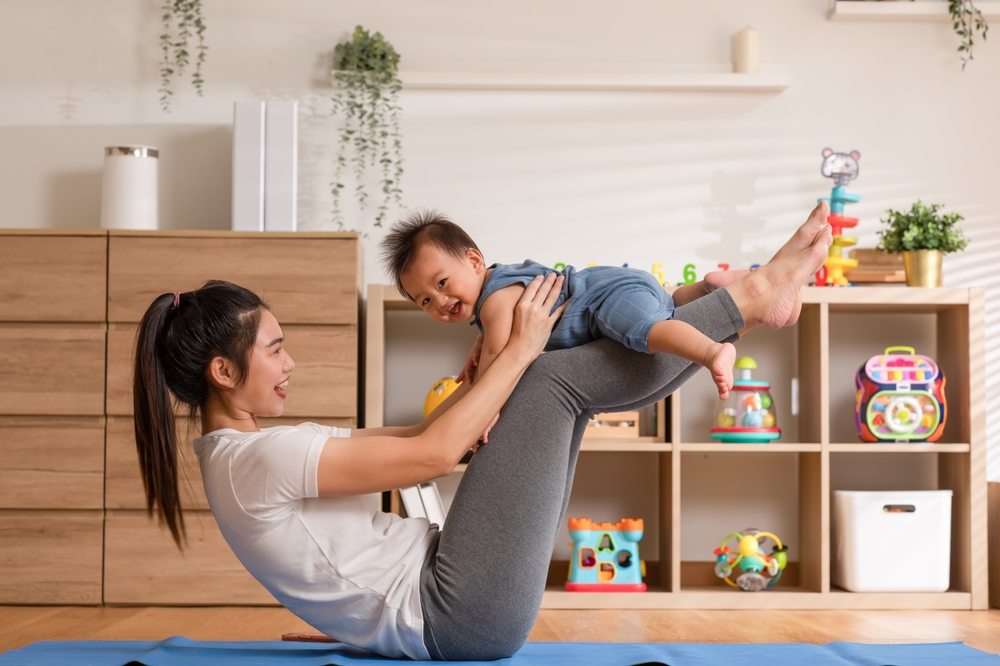
Be a parent with multiple expressions and poses!
Written: Founder & Volunteer Director of Good Love Passion, Lam Ho Pui Yee When a child is around 6 months old, they start babbling, constantly making sounds and single words. They also enjoy playing with toys that make sounds. However, even before they learn to speak, they already understand how to communicate with the people around them using crying, sounds, facial expressions, gestures, or body language. In fact, children first learn to communicate with people using facial expressions and gestures, then they learn verbal communication, and finally, they learn to communicate through text. Therefore, accurately recognizing other people’s facial expressions helps in assessing their emotions and attitudes, thus influencing a child’s cognitive development, emotional development, and social skills. Parents’ facial expressions, actions, and postures are often what children find most attractive. Children observe and respond to their parents’ facial expressions and emotions. For example, a gentle expression can make them feel comfortable communicating with you, a smile can boost a child’s confidence in expressing themselves, and a nod from parents indicates acceptance. Through these developments, children gradually understand, learn, and care about people’s emotions. Different parts of the body express emotions in various ways, and expressions can be categorized into facial expressions, body expressions, and verbal expressions. To establish good parent-child communication, parents need to pay attention to several aspects: 1.When children cannot clearly see their parents’ facial expressions, it is recommended to use actions as a substitute for speech responses. For example, hugging them tightly, giving them a kiss,

Did not take medicine when sick, waiting for the body to recover on its own and then develop antibodies?
Source:Pediatric Specialist Doctor, Chiu Cheung Shing When children get sick, some parents may become very anxious and immediately take their child to the doctor or give them medicine. However, some parents believe that if they wait for a while, the child will naturally recover. In reality, this approach is somewhat correct to a certain extent. For mild illnesses like the common cold or cough, allowing the child to rest can help them develop some antibodies that can protect them from future infections. However, parents should be aware that not all illnesses can be treated this way. For some strong bacteria, waiting for a natural recovery can be dangerous. For example, with bacteria like Streptococcus pneumoniae or Neisseria meningitidis, if you wait for natural recovery, there can be serious consequences. Within 24 hours of infection, 1 in 10 people may die. Even if death doesn’t occur, 1 to 2 individuals may end up with lifelong disabilities or complications. So whether you wait for natural recovery or not depends on whether the illness is mild or severe. Secondly, in the case of some illnesses, even if a doctor can diagnose the condition, the effects of medication may not necessarily be immediate. As mentioned earlier, with bacteria like Streptococcus pneumoniae, there can sometimes be antibiotic resistance. That’s why there’s a saying that “diseases are shallow in Chinese medicine.” Doctors may not always prescribe medication; what’s most important is whether you develop complications or have any hidden risks. On the other hand, taking medication
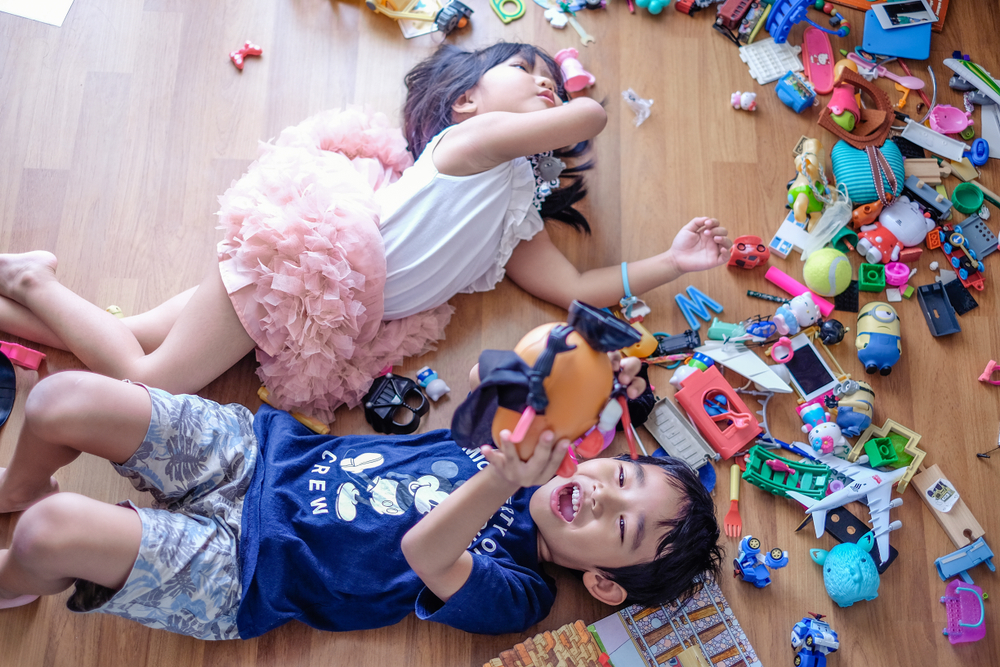
Being unfocused when playing with toys, will it make it harder for them to concentrate on learning in the future?
Source : Registered Clinical Psychologist, Yiu Fong Lee Some parents may notice that their children, aged 4 to 5, often have trouble staying focused when playing with toys. For example, they may play with one toy for only 2 minutes before switching to another, and they might take out all the toys in the room without cleaning up afterward. Parents may worry that if their children are so unfocused now, how will they fare in exams or when studying in the future? It turns out that when children’s brain development is not yet mature, their attention span can be a bit short. Research has found that mindfulness can help improve children’s focus, especially by training their frontal lobes, which can enhance their attention and concentration. There are some mindfulness games that can be used as a reference. For example, parents can use certain apps with visual cues. Children can follow these apps, for instance, there might be an image of a balloon that inflates when they breathe in and deflates when they breathe out. This way, by following their breath, children can improve their ability to concentrate. Additionally, there’s a practice called ‘Statue,’ which many parents might remember from their own childhood. In this exercise, children must sit still and watch an app or a timer for a specific duration to see how long they can remain seated calmly. “Then, if children manage to do this, you can introduce an additional element, which is auditory distractions. For example, you can

A quick method to calm down young children
Source: Pediatric Behavioral Therapist, Yip Wai Lun Many times, as parents, when we see our children experiencing negative emotions like anger, tantrums, or extreme unhappiness, we often want to quickly resolve the situation by saying things like, “Don’t be so angry!” or we may scold them, sometimes even yelling, “Shut up right now!” or using a countdown like “One! Two! Three!” to command them. Some parents may try to reason with their children, saying, “We shouldn’t behave like this; we should stay calm.” However, these methods are not always very effective. Why is this the case? It turns out that this is closely related to the structure of our brains. Understanding the brain’s structure can be very helpful in parenting. If we are familiar with two specific parts of the brain, it can aid us in disciplining our children. The first part is called the amygdala, which is a pair of almond-shaped clusters located in the posterior part of our brain. When we are startled or feel threatened, the amygdala sends signals that prepare us for either a fight or flight response. The amygdala operates on a reflexive level. Another part is called the prefrontal cortex, which is responsible for our flexibility and empathy. However, the amygdala and the prefrontal cortex cannot function simultaneously. The development of a child’s prefrontal cortex takes place from around the age of two to over twenty years old before it fully matures. Only then can they understand your reasoning and consider your thoughts and
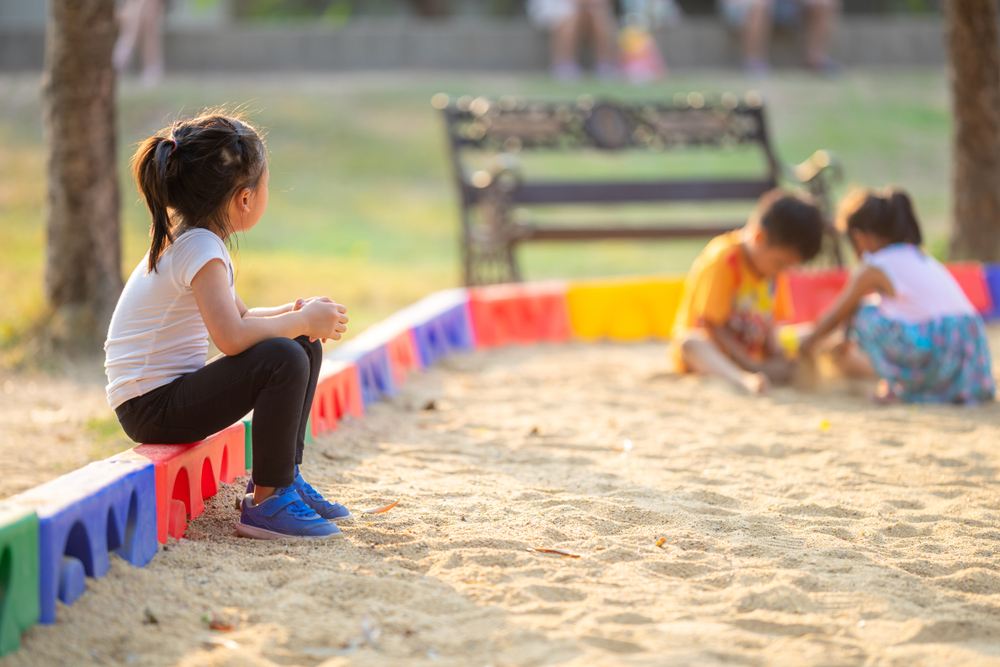
Does a child having few friends indicate tendencies toward autism or social disorders?
Source : Education Expert, School Supervisor,Wu Shan-ying Parents often worry about their children and ask, “Have you made any friends at school?” However, when the child responds with “I don’t have any friends” or consistently mentions the same friend, parents may begin to worry if their child has tendencies toward autism or social disorders. In reality, some children have been this way since childhood. They may have a preference for playing with objects or toys rather than socializing with peers. Even in higher grades, they might immerse themselves in activities like building puzzles, engaging in quiet activities, or conducting experiments independently, showing a strong focus, but not necessarily an inclination to play with others. These children are introverted but not necessarily autistic. Just like adults, some adults may not be talkative, but they can be attentive and observant. They may not cast a wide social net, but they might have a few close and long-lasting friendships. These are aspects of personality. The second scenario is that some children, even if they enjoy playing with others, tend to prefer interacting with older peers or even adults. They might like to hang out with teachers, engage in conversations with teachers, but not necessarily enjoy playing with their same-age peers. From a teacher’s or parent’s perspective, it can be easy to perceive this as a social problem. These situations often occur, especially among gifted or academically inclined children. Typically, normal children begin to grasp the concept of friendship around the ages of 4

How to deal with young children who are unwilling to sleep on their own and wake up in the middle of the night looking for their parents?
Source : Registered Clinical Psychologist, Yiu Fong Lee Many parents experience headaches when their children have trouble sleeping at night. This could be because the children either refuse to sleep or insist on having their parents with them while they sleep. Some children even wake up in the middle of the night and cry unless they find their parents. What methods can help children learn to sleep better or fall asleep on their own? First, parents need to understand that a child’s poor sleep habits or refusal to sleep can create a vicious cycle of excessive dependence on parental comfort. In this cycle, children require things like being patted, held, or soothed by their parents in order to feel sleepy. Parental presence and soothing become prerequisites for their sleep, and without these conditions, children may wake up in the middle of the night and seek their parents. Therefore, it’s important to help children learn self-soothing techniques or to teach them how to fall asleep independently. Research indicates that around three-month-old infants gradually begin to develop the ability to self-soothe. By about nine months of age, 50 to 80% of infants can sleep through the night. Parents should have confidence in their child’s ability to self-soothe and fall asleep on their own, and they can assist in this process. However, what we need to help them develop is to establish a bedtime routine, including the bedroom environment. It’s best to have a completely dark room because darkness stimulates the production of
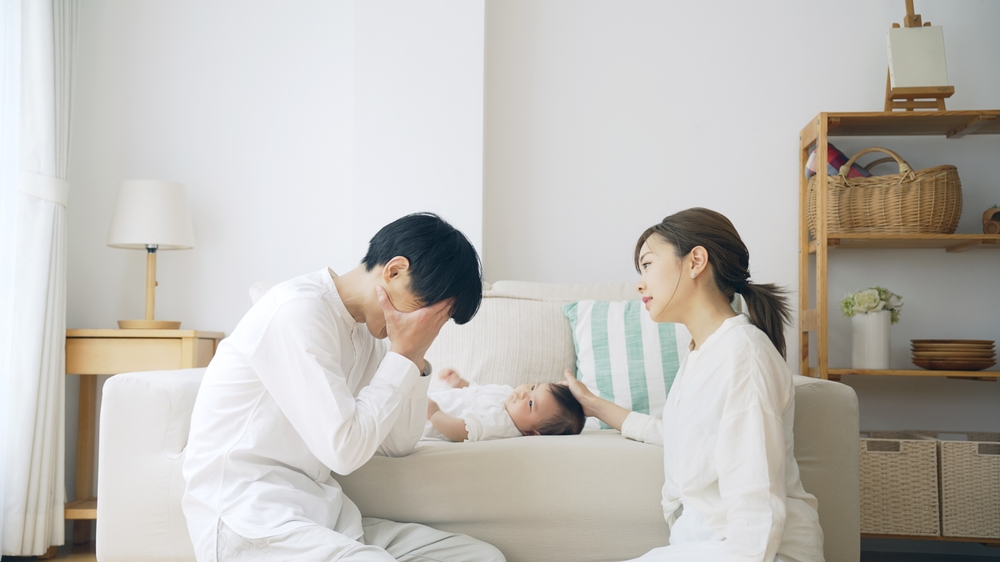
Parental Relationships and Child’s Physical and Mental Health
Written by: Marriage and Family Therapist, Child Play Therapist, Lee Wai Zi Whenever a child is born, it brings about changes to the family. Many times, parents, caught up in taking care of and disciplining their children, can easily overlook the quality of their own marital life. Over time, marital life becomes reduced to a pile of responsibilities and pressures. I once heard a friend say that when he comes home from work every day, it’s like an assembly line of checking his children’s homework, supervising their studies, while his wife takes care of their meals and routines. By the time the two of them can rest, it’s often late at night. Even if there’s still energy left to exchange a few words with his wife, the topic tends to revolve around their children’s academic performance and achievements. Sometimes, there isn’t even enough time left for their own rest, let alone considering their spouse’s needs. Many couples facing difficulties in their marriage tend to attribute the problems in their relationship to the birth of their children. Generally, people believe that this is due to differing expectations and parenting methods between parents, or unequal distribution of roles and responsibilities in raising children, leading to conflicts in the relationship. However, the vast majority of couples express that they don’t necessarily need their partner to agree with their thoughts or actions. The key issue is that when they face the stress of parenting and various life pressures, they often don’t feel valued, supported,

Happy kindergarten, how about elementary school?
Written by: Octopus parent, Mr. Leung Wing Lok. I’ve heard many parents share their experiences, and within the three years of kindergarten, the biggest concern is the transition to elementary school. How much should be done for the child? Should interview classes be arranged? Should extra English lessons or etiquette coaching (not a typo, there are actually training classes for etiquette) be arranged? Among the myriad of skills, is having sixteen talents out of eighteen enough? Or should the child learn niche skills to stand out, like magic tricks or acrobatics? Both parents and children are busy enjoying quality bonding time, especially when every activity has a purpose. As a result, attitudes change, and the child might lose interest in extracurricular classes. Parents worry about selecting the preferred elementary school and creating resumes. Especially for K3 students entering the “peak school application season” in June, parents and children face the decision of whether to apply to 10 or 8 elementary schools. As a father, you may hope to only apply to one or two preferred elementary schools, but can you bear the responsibility of “not providing enough education” for your child? Another challenge is undoubtedly creating the resume, how elaborate should it be? Many schools explicitly state that they accept a maximum of only 4 pages, but you see other parents’ “work reports” for their children that are as thick as prospectuses, with an exquisite level of presentation rivaling Apple’s brochures. You glance at your child, he might not stand
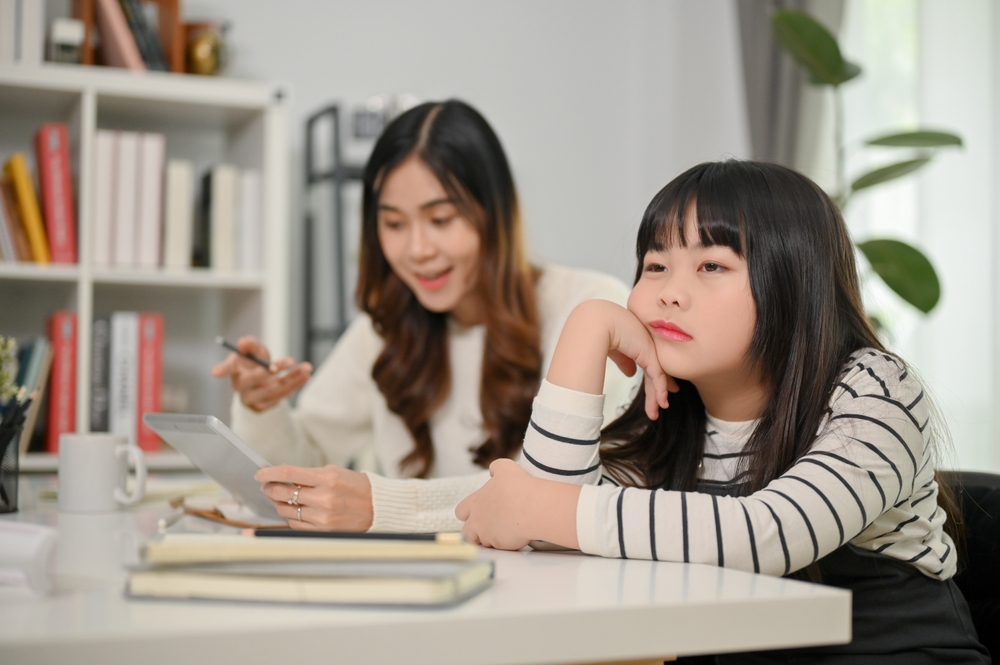
Let go of anxiety; don’t become a monster parent
Written by Marriage and Family Therapist, Child Play Therapist, Rachel Ng When my son was in the first grade, I often encountered the same group of parents at the pick-up and drop-off station. One of the parents had a son who coincidentally attended the same school and grade as my son, so we gradually became acquainted. It was also during that time that I began to witness what was called “monster parents”! She would frequently ask about my child’s extracurricular activities because her son was enrolled in various classes every day, sometimes even attending two in a single day. On the other hand, I struggled to list many activities for my son. He enjoyed exploring and creating games at home, finding his own joy. I also saw that he was able to grasp the lessons taught at school, so I felt that there was no need for him to participate in additional extracurricular activities. Always, my wish for him was to be happy. However, gradually, when most of the parents around you gather and chatter about what their children are learning, what levels they’ve achieved in music and language exams, and so on, I, who originally believed in the “go with the flow” approach, began to feel anxious. I couldn’t help but question whether I was a lazy, unambitious, and neglectful mother who didn’t plan for her child’s future! And so, I also began to enroll my child in various courses, but the resistance I encountered was beyond what I

Three sentences of family life: Love warms within the home
Written by: Education expert, Principal Cheung Jok Fong Have you ever heard the theme song of a certain TV drama called “Embrace Love”? I really like a few lines from it, as these few words capture the essence of “family.” A family is a place that provides shelter from the wind and rain, your “support.” When you’re feeling “weary,” the door of your home will always be open for you. The mentioned “love” refers to the deep-rooted bond of kinship that’s destined from the moment you were born, stronger than blood. Indeed, what could be more important than family ties? When you’re feeling down, your family will share your burdens, willing to listen to your worries and accompany you through difficulties. When you’re sick, your family will take care of you unconditionally. When you achieve success in your studies or career, they’ll genuinely rejoice and take pride in your accomplishments. This kind of “love” can’t be bought with money. We all hope that parents and students understand the value of family love. Sadly, this love might come too easily, acquired from birth, and as a result, some don’t fully appreciate it. Sometimes, we see in newspapers that some teenagers would rather linger on the streets than go home; some families argue all day long, turning the home into a battlefield; some even resort to violence over trivial matters, leading to tragedies. The examples mentioned are just the tip of the iceberg, and sometimes I can’t help but feel saddened that